Plumbing guides
Find leaks early and keep your plumbing in order
Learn where to look for slow leaks, how to read the signs of worn seals, and which shutoff steps are safe for a homeowner to take before calling a licensed plumber.
Taps and joints
Routine checks for taps, supply lines, and joints
Most drips start in small, replaceable parts. Check these points regularly, and note any change before it becomes water damage.
Faucet cartridges
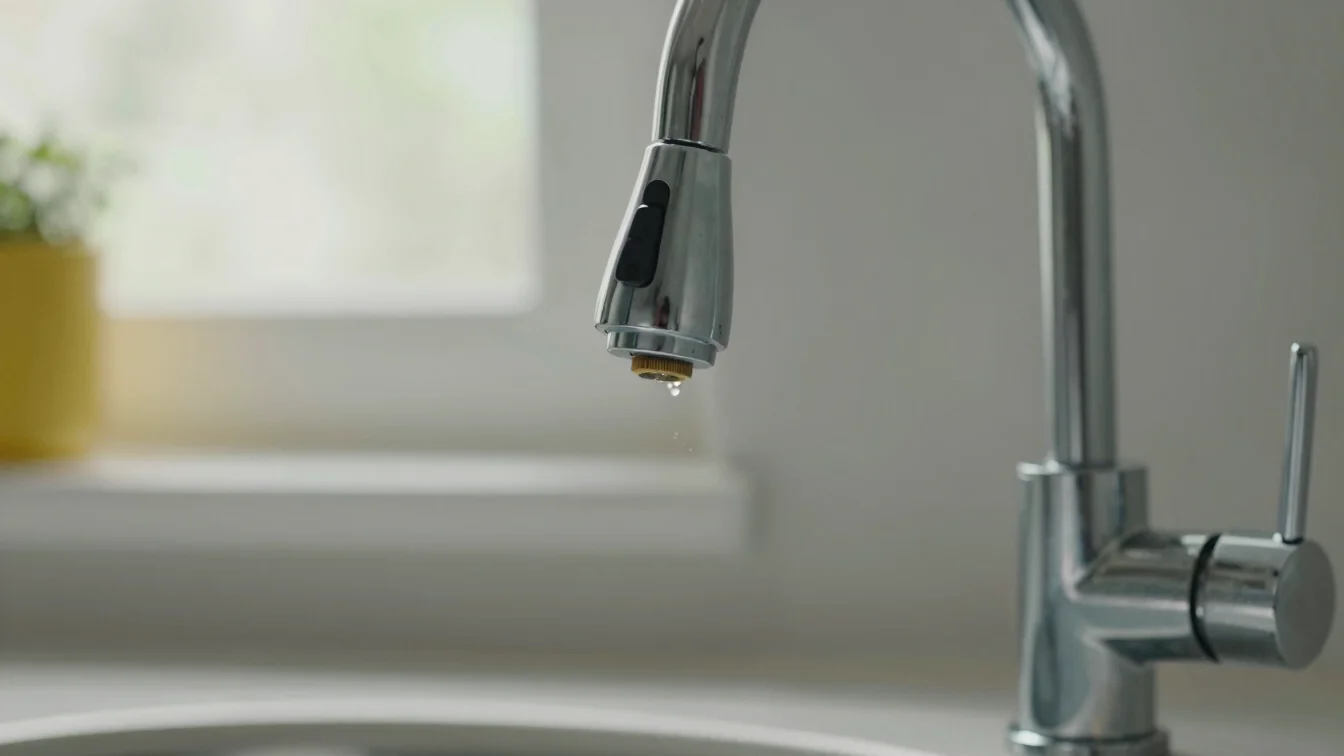
A dripping tap often points to a worn cartridge or seat. Compare the part with the manufacturer's diagram before replacing it.
Supply lines
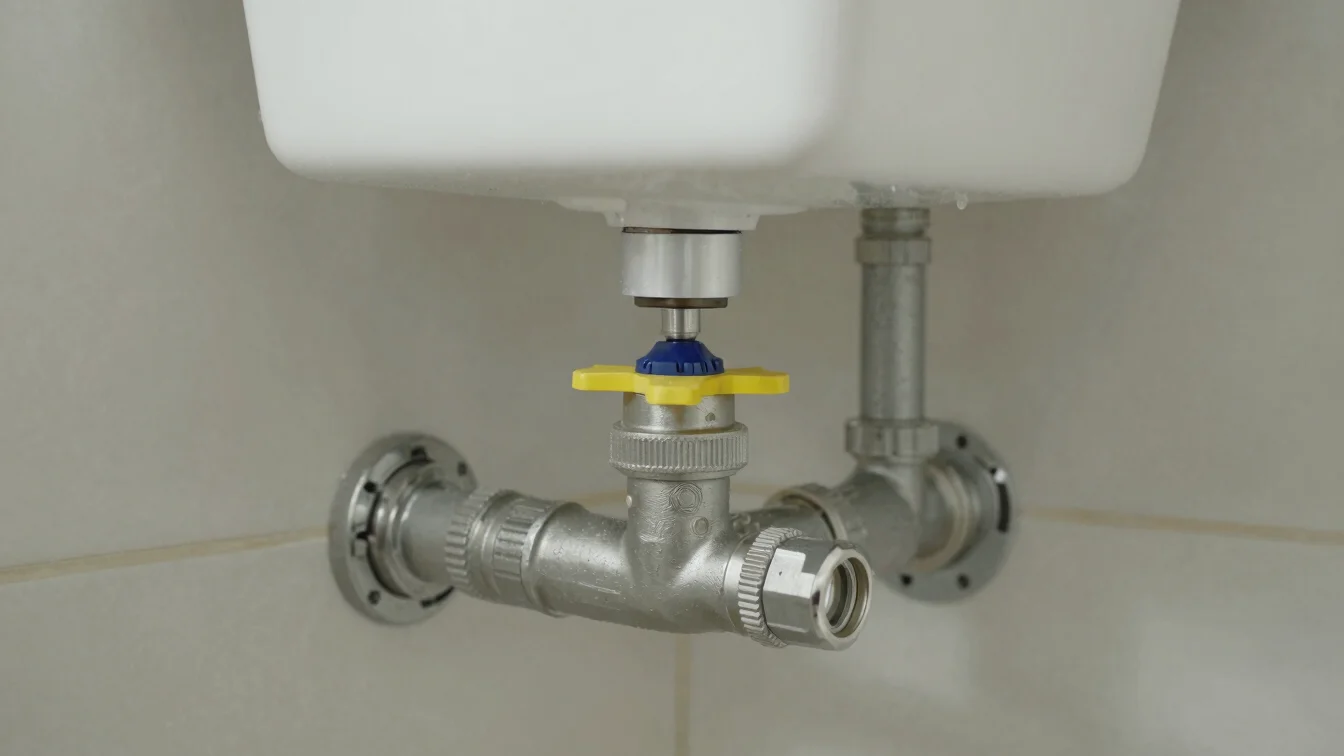
Look for bulges, cracks, or wet fittings on flexible hoses. Replace a damaged line before it fails under pressure.
Joints and sealant
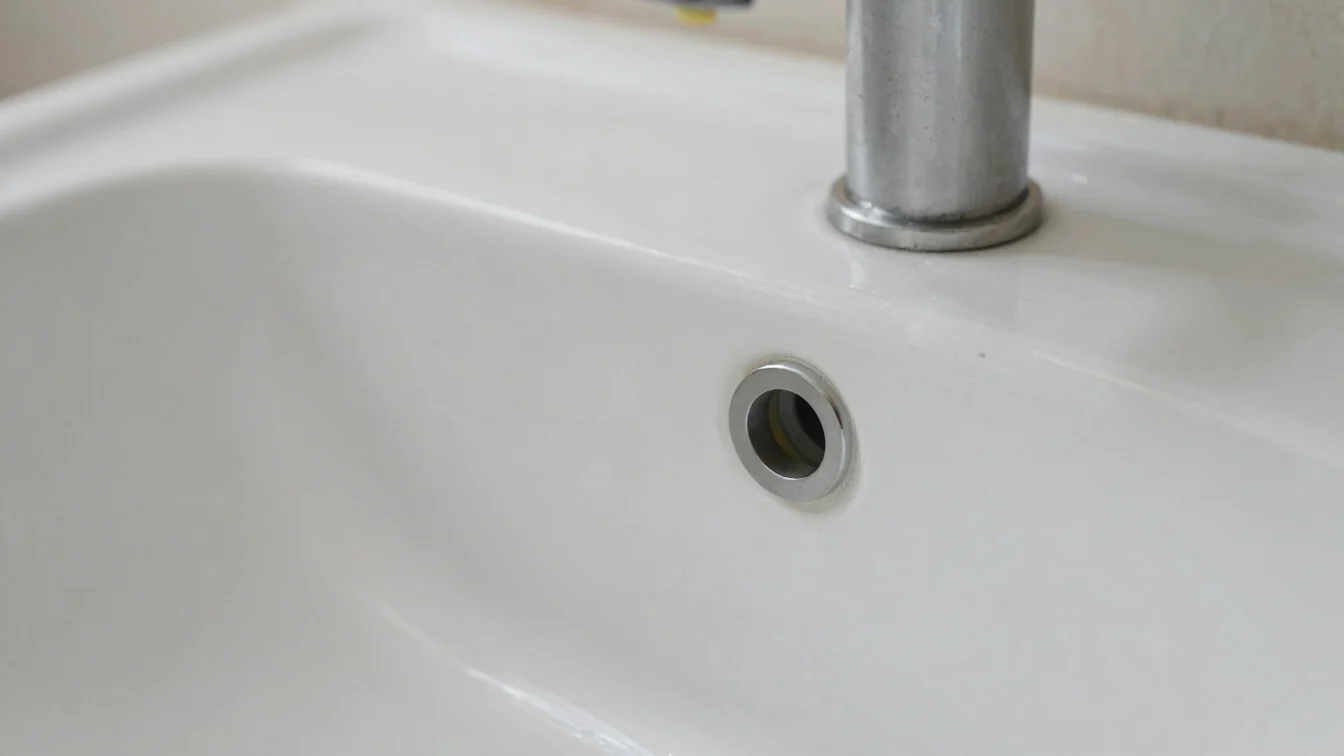
Cracked or discolored sealant lets water reach hidden surfaces. Dry the joint fully before applying new sealant.
Shutoff and pressure
Know your main stopcock and when to call a plumber
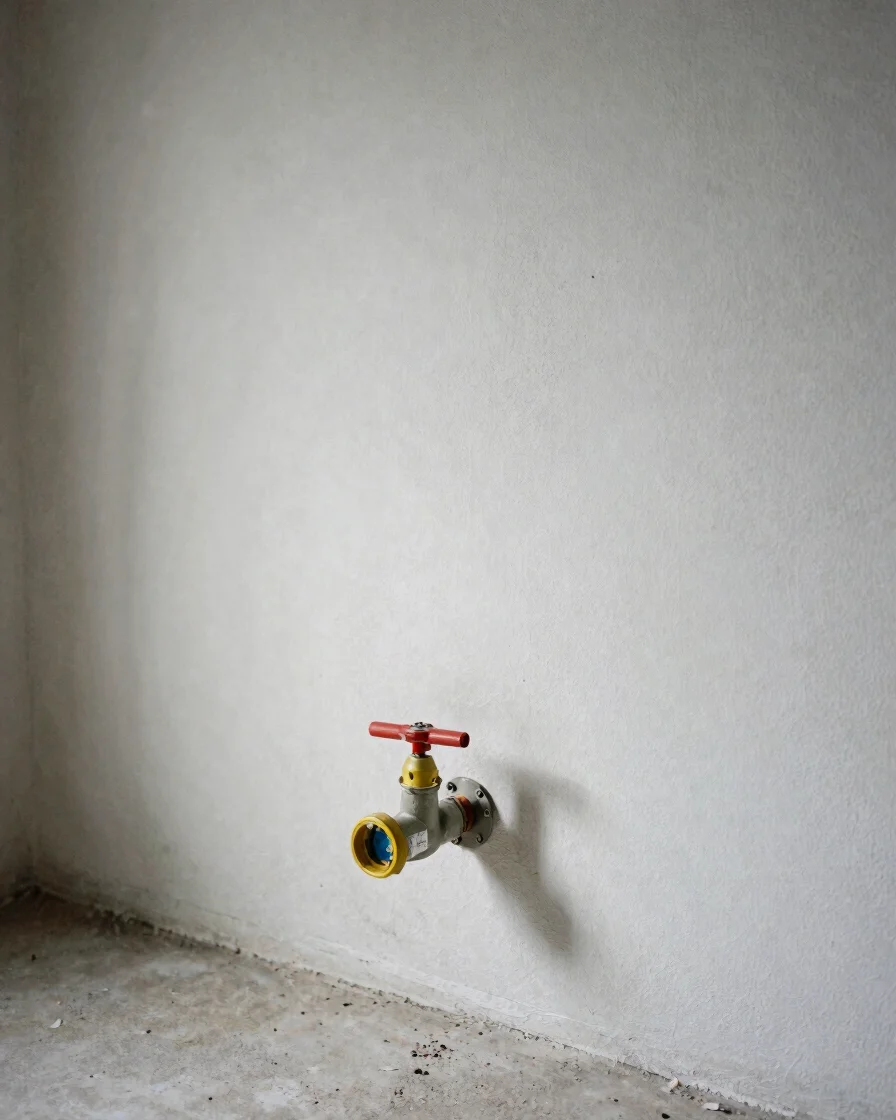
Locate the main stopcock and test it once a year so you can close water quickly in an emergency. Turn it gently; a stuck valve can fail if forced.
Call a licensed plumber if pressure changes sharply, if a leak appears inside a wall or floor, or if a pressure relief valve keeps discharging. These repairs involve risks that go beyond routine care.