
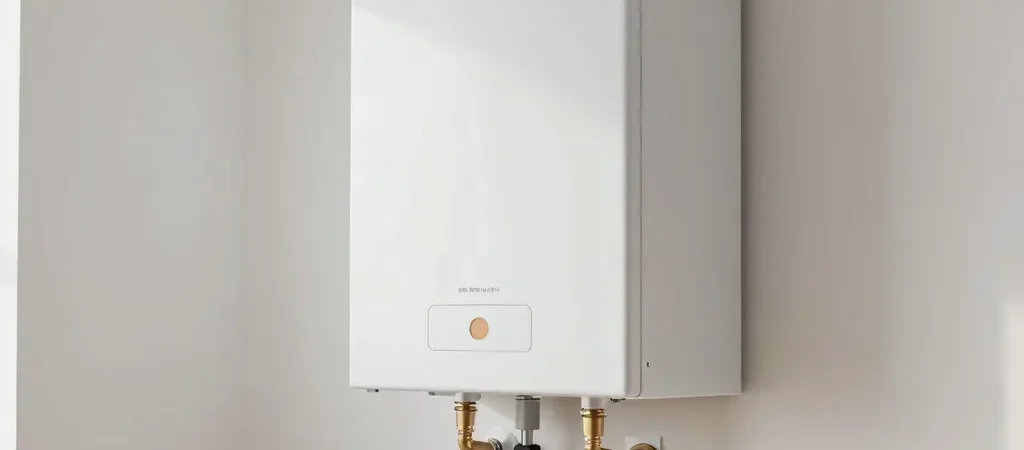
When temperatures drop, small signs become harder to ignore: one radiator warms slowly, the thermostat seems unresponsive, or the heating unit shows a warning. Before the system is needed every day, check what you can safely observe and make a note of anything unusual. Gas appliances and internal heating components are not casual DIY territory.
Start With the Manual
Find the manual for your boiler, heat pump, or other system and follow its instructions for routine user checks. Models differ, so do not copy a reset procedure or maintenance step from another unit. If the manual is missing, look for the manufacturer’s guidance for the exact model before touching controls beyond normal everyday operation.
Check that the thermostat is set as intended and that vents or radiators are not blocked by curtains, furniture, or stored items. Look for visible leaks, unusual noises, error messages, or a change in how the system heats the rooms. Record what you notice rather than removing covers or adjusting internal components.
Keep Safety in View
Do not open a gas appliance, alter its combustion settings, or attempt work on electrical parts. Use a qualified heating professional for faults, servicing, or anything the manufacturer assigns to an approved technician. Maintenance requirements and legal obligations vary by system and location, so verify them with official local guidance and the manufacturer.
If you smell gas, leave the property and contact the local gas emergency service from a safe location; do not operate switches or appliances on the way out. Follow the emergency service’s instructions. In a rental, notify the landlord or property manager about heating faults, leaks, or safety concerns without delay.
Act on Early Warning Signs
A recurring fault, persistent leak, or room that remains cold despite normal settings is a reason to arrange professional assessment, not to keep resetting the system. Share the model details, any displayed code, and when the problem occurs. A useful seasonal check is modest: notice, document, and call the right person before a minor warning becomes a midwinter breakdown.